|
||||||||||||||||||||
| ||||||||||||||||||||
Swiss Data Space Forum 2026: trust is decided in the data
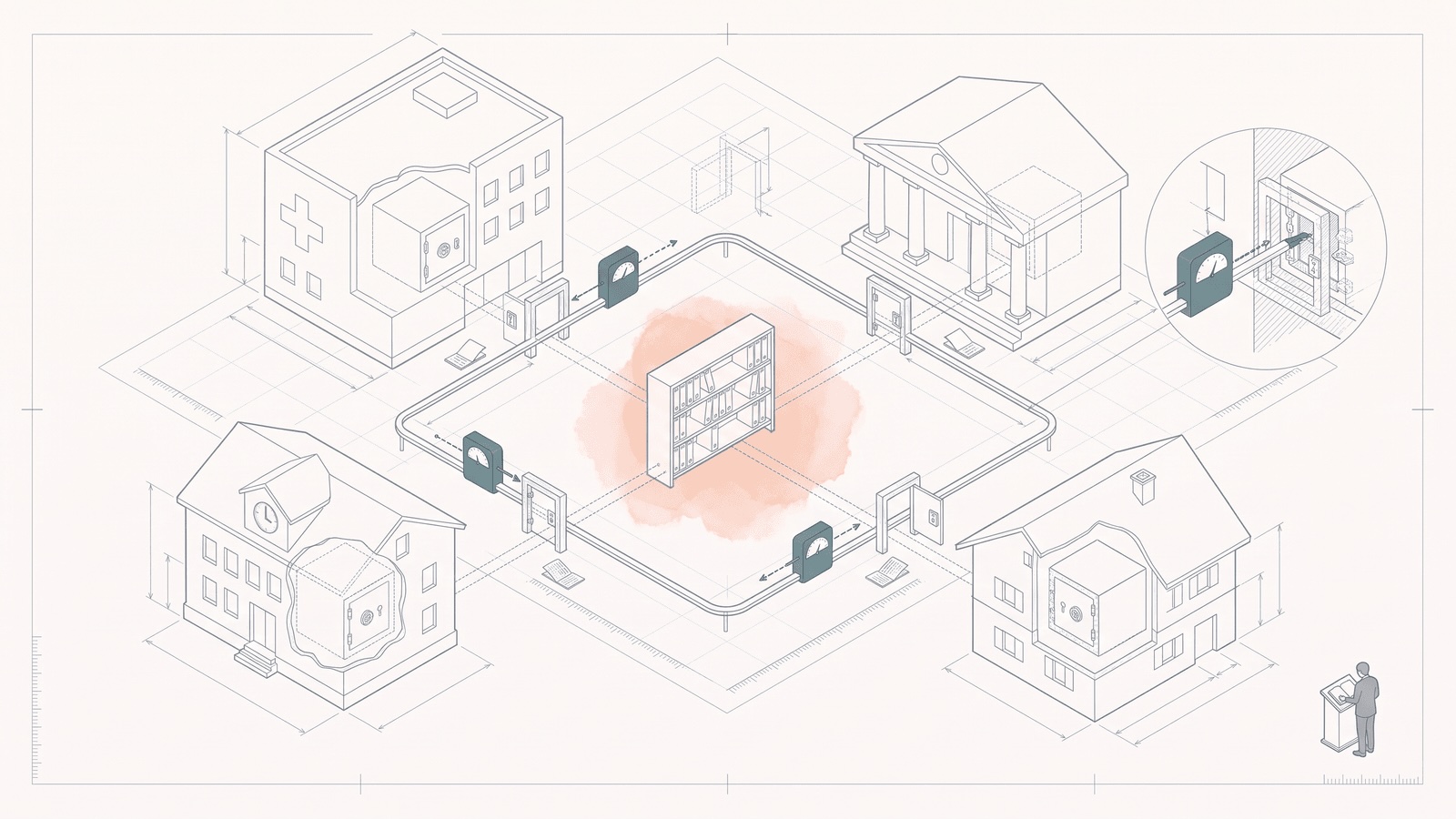
At the Swiss Data Space Forum on 28 October, every talk came back to one point: trustworthy AI is decided upstream, in the data, long before anyone measures a model.
Three things I took home:
"Operating an AI model is not the same as mastering its technology" (Thomas Schulthess, CSCS). To correct unfairness, you have to see what a model learned.
"No data literacy, no AI literacy" (Diego Kuonen). The Swiss Data Alliance published its white paper AI-ready Data two days before the forum.
Apertus, Switzerland's fully open language model, shows that traceable training data works at national scale. As the Apertus workshop put it, the market will have to learn to tell compliance from compliance washing.
For us, the lesson is simple: a fairness verdict rests on data twice over, the data a model learned from and the data it was tested on.
Full notes: https://validant.ai/signal/you-cannot-audit-what-you-cannot-trace
| ||||||||||||||||||||
Commission proposes Frontex as EU deportation agency
Access NowEU3 min
AI-generated illustration · validant.ai
Why it matters. The proposal operationalises the recently adopted Deportations Regulation and deepens Frontex's position as the central actor of a Europe-wide deportation machine.
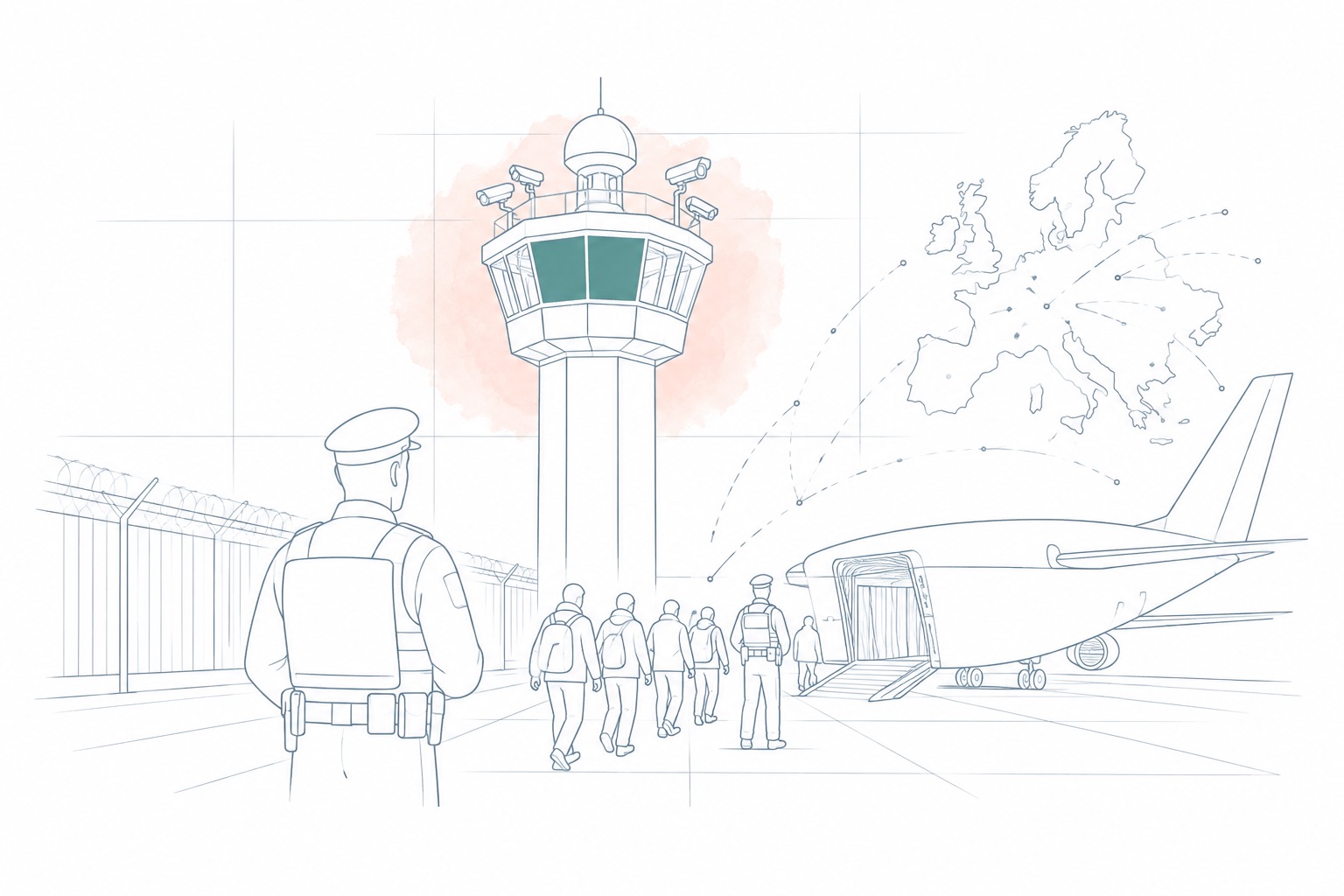
According to Access Now, the European Commission tabled a new Regulation for Frontex, the EU's border agency, on 27 October 2026. The proposal expands the agency's powers and refocuses its mandate on deportations, preventing arrivals, and surveillance beyond EU territories and into social media. Access Now says this would effectively turn Frontex into the EU's deportation agency, the equivalent of ICE in the United States. At the centre of the reform is a budget that would almost double to nearly €12 billion for 2028-2034.
| ||||||||||||||||||||
| Explore validant.ai | ||||||||||||||||||||
US voter probes merged identity and enforcement data
Biometric UpdateUS1 min
Why it matters. A federal judge's order has exposed an identity investigation pipeline combining tens of millions of voter records with immigration holdings, commercial identity databases and law enforcement systems.
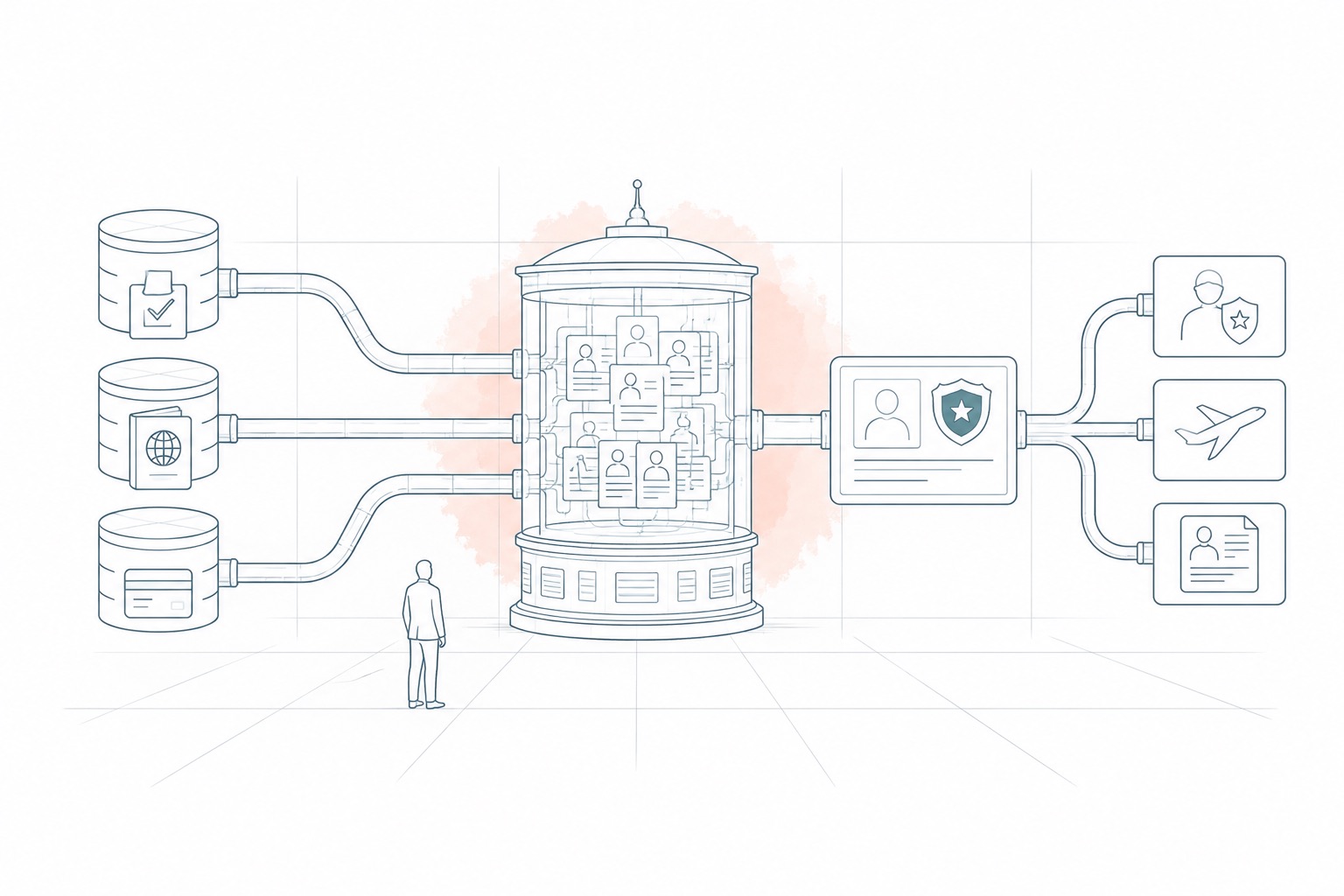
Biometric Update reports that the pipeline generated investigative leads that could bring federal agents to voters' homes. Its review found the investigations overlapped geographically with Democratic voter registration, canvassing and get-out-the-vote activity in several communities. USCIS personnel were instructed to use commercial identity tools, including LexisNexis Accurint and Thomson Reuters CLEAR, and ICE pursued a Thomson Reuters data agreement worth up to $125 million. On October 21, U.S.
Judge finds DOGE data access broke privacy law
Biometric UpdateUS1 min
Why it matters. The Office of Personnel Management unlawfully gave DOGE personnel broad access to systems containing sensitive information on tens of millions of federal workers without demonstrating a need for the records.
Biometric Update reports that U.S. District Judge Denise Cote's October 20 opinion rejects the government's argument that DOGE personnel needed sweeping access to modernize federal IT systems. "IT modernization does not necessarily require access to confidential PII," Cote wrote. According to the court, 20 DOGE-related individuals accessed OPM systems between January 20 and March 6, 2025, almost all at the administrative level.
| ||||||||||||||||||||
Hungarian bank fined for emotion analysis of voices
AI Incident DatabaseEU1 min
Why it matters. Hungary's data protection authority fined a bank a record 250 million HUF for using AI speech analysis to infer customers' emotional states and decide whom to call back.
The source reports that the authority, NAIH, ordered the bank to stop the emotion analysis. It cited inadequate privacy notices, weak legitimate-interest balancing and an insufficient data protection impact assessment.
Agentic AI framework used in supply chain attack
AI Incident DatabaseGlobal1 min
Why it matters. Storm-0940, a China-state aligned actor, used the agentic AI penetration testing framework ARTEX to automate attacks targeting hundreds of organizations globally across a broad range of industries.
Microsoft reports that several of these attacks gave the actor privileged access to an organization's cloud infrastructure, including multiple instances where the time from initial targeting to privileged access was less than 3 hours. Microsoft assesses that Storm-0940 was responsible for the recently disclosed ConnectWise supply chain compromise of a multi-tenant application. During that compromise, the actor used ARTEX to accelerate scanning and reconnaissance, password spraying and OAuth application abuse at downstream victims. Microsoft says the activity did not result from a compromise of or a vulnerability in its corporate systems, products or services.
| ||||||||||||||||||||
AI-generated illustration · validant.ai
| ||||||||||||||||||||
Switzerland eases e-evidence conflict for providers
Swiss Federal Administration: digitalisation topic (News Service Bund)CH1 min
Why it matters. The measure addresses a conflict where direct EU e-Evidence requests could force providers such as Swisscom, Sunrise or Protonmail to breach Article 271 of the Swiss Criminal Code.
The Swiss Federal Council adopted a transitional model decree allowing Swiss internet and communication service providers to hand over electronic evidence directly to EU law enforcement authorities under a special permit, valid up to two years. Providers with Swiss and EU exposure should assess whether they could receive EU e-Evidence orders and track the EJPD permit process and the forthcoming Swiss legal basis.
| ||||||||||||||||||||
Principle of least privilege
Users should receive only the access necessary to perform their assigned functions. Judge Cote said granting DOGE personnel administrative permissions violated this principle, which OPM said it followed.
| ||||||||||||||||||||
| ||||||||||||||||||||
| ||||||||||||||||||||
“IT modernization does not necessarily require access to confidential PII”
(Biometric Update). Judge Denise Cote wrote this while rejecting the government's argument that DOGE personnel needed sweeping access to OPM systems.
| ||||||||||||||||||||
| ||||||||||||||||||||
| ||||||||||||||||||||
| ||||||||||||||||||||
Does your organisation review data flows to third countries before sharing biometric data?
One click, anonymous: only the counts are stored. Results in the next issue.
Last week: Does your organisation test AI models with culturally adapted prompts, not only translations? Yes 0% · No 100% · Not sure 0% (n=1)
| ||||||||||||||||||||
| ||||||||||||||||||||
| ||||||||||||||||||||
| ||||||||||||||||||||
Commission proposes Frontex as EU deportation agency
Access Now
According to Access Now, the European Commission tabled a new Regulation for Frontex, the EU's border agency, on 27 October 2026. The proposal expands the agency's powers and refocuses its mandate on deportations, preventing arrivals, and surveillance beyond EU territories and into social media. Access Now says this would effectively turn Frontex into the EU's deportation agency, the equivalent of ICE in the United States.
At the centre of the reform is a budget that would almost double to nearly €12 billion for 2028-2034. Access Now argues this would lead to a massive expansion of the EU security and surveillance industrial complex, with billions of taxpayer money going to surveillance, security and defence contractors. It also states that the EU's border security regime has for years produced systemic and massive human rights violations of migrants, refugees and racialised people, and of those who stand in solidarity with them, and that this proposal will accelerate that.
The proposal operationalises the recently adopted Deportations Regulation. Frontex would become responsible for collecting and analysing data from Member States in order to "predict" deportation needs and allocate resources to them. It would have a "Deportation Coordination Centre" expected to act at all stages of the deportation procedure: detecting and identifying people who may be expulsed, booking or arranging flights and escorts, and monitoring their "reintegration" in the destination country.
Access Now calls the expansion of Frontex's powers to deport outside the EU's borders alarming. Based on a simple status agreement, Frontex would be able to deport people from one third country to another, with the aim of preventing people from even reaching the EU. According to Access Now, this will likely mean sharing sensitive data with third countries and countries of origin, where individuals may be at risk of persecution or harm.
The reform comes in a package with a proposal to digitalise the management of deportation cases. The agency is given a key role in the harmonised technical design of EU and national digital systems that exchange data on deportations. These exchanges include sensitive data transfers to third countries, such as biometric data, travel documents and history, grounds for deportation and health data. The systems would also automate certain steps of the procedure, such as adding deportation orders in the Schengen Information System (SIS) to detect people.
The reform also codifies Frontex's practice of "debriefing interviews", particularly during the screening procedure introduced by the Migration Pact. Access Now describes these as covert "voluntary" interrogations of people immediately after they disembark or cross the border. In them, the agency extracts data from migrants deemed to be "suspects" of "cross-border crime", without the possibility for migrants to seek legal counsel. Access Now notes that debriefing interviews have been criticised for the absence of fundamental rights monitoring and for their unfairness, as they take place when a person is detained and lacks privacy.
A new "Online Monitoring and Response Centre" would surveil social media platforms to identify "suspicious behaviours or trends" in people's movements at the EU borders, and before that, in the countries of origin and transit. Aggregated data collected online would feed into Frontex's "risk analysis" to guide border forces' deployment and reaction. Access Now adds that social media monitoring was already declared to carry high risk of violating the fundamental rights of the people affected, and that the European Data Protection Supervisor banned it in 2019 when the EU Agency for Asylum first implemented it.
What this means for organisations in Switzerland and the EU: The proposal is an EU Regulation tabled by the European Commission, and it touches the Schengen Information System and national digital systems that exchange deportation data. Organisations in the EU that build, supply or operate such systems should expect Frontex to play a key role in their harmonised technical design.
What to do:
| ||||||||||||||||||||
US voter probes merged identity and enforcement data
Biometric Update
Biometric Update reports that the pipeline generated investigative leads that could bring federal agents to voters' homes. Its review found the investigations overlapped geographically with Democratic voter registration, canvassing and get-out-the-vote activity in several communities. USCIS personnel were instructed to use commercial identity tools, including LexisNexis Accurint and Thomson Reuters CLEAR, and ICE pursued a Thomson Reuters data agreement worth up to $125 million.
On October 21, U.S. District Judge Araceli Martínez-Olguín issued a preliminary injunction restricting HSI voter-related field operations in California, Connecticut, Georgia, Missouri, Nevada, New York, Pennsylvania, Washington and Wisconsin. A September whistleblower disclosure said USCIS personnel had to review suspected unlawful voters at a rate of five per hour, despite concerns about inconsistent records, uncertain data provenance and erroneous identity matches. The outlet notes that the sequence does not demonstrate causation. As of Saturday, no government appeal or further stay had appeared on public dockets, so the injunction remains in effect through Election Day unless a higher court intervenes. | ||||||||||||||||||||
Judge finds DOGE data access broke privacy law
Biometric Update
Biometric Update reports that U.S. District Judge Denise Cote's October 20 opinion rejects the government's argument that DOGE personnel needed sweeping access to modernize federal IT systems. "IT modernization does not necessarily require access to confidential PII," Cote wrote. According to the court, 20 DOGE-related individuals accessed OPM systems between January 20 and March 6, 2025, almost all at the administrative level.
The ruling also addresses identity and access management. Cote said administrative permissions violated the principle of least privilege, under which users should receive only the access necessary for their assigned functions. Many DOGE personnel acknowledged completing required cybersecurity and privacy training only weeks after receiving access. One senior adviser, Noah Peters, received access beginning January 24, 2025, but did not complete the required training until April 5, 2026. The outlet says the ruling could have implications beyond OPM as agencies deploy AI, data lakes and identity-resolution systems. | ||||||||||||||||||||
Agentic AI framework used in supply chain attack
AI Incident Database
Microsoft reports that several of these attacks gave the actor privileged access to an organization's cloud infrastructure, including multiple instances where the time from initial targeting to privileged access was less than 3 hours. Microsoft assesses that Storm-0940 was responsible for the recently disclosed ConnectWise supply chain compromise of a multi-tenant application. During that compromise, the actor used ARTEX to accelerate scanning and reconnaissance, password spraying and OAuth application abuse at downstream victims.
Microsoft says the activity did not result from a compromise of or a vulnerability in its corporate systems, products or services. It adds that an affected application or successful authentication does not necessarily mean customer data was accessed or exfiltrated. Customers should review service principal sign-ins, investigate unexpected application credential or privilege changes, and follow ConnectWise's published containment guidance while preserving relevant evidence. | ||||||||||||||||||||
|
|
||||||||||||||||||||
|